How do I address water intruding into my property?
Identify the source of the problem. A leak entering your home is frustrating, exhausting, and at times can be a stressful ordeal. Keep in mind the water does not always come from directly above. Water is intrusive and once it is trapped underneath your shingles, it brings a major effect to the sheathing/ roof decking. If this area is compromised, it is imperative to address it immediately especially if it is compromised.
1. Identify the Source: Try to locate where the leak is coming from. This might not always be directly above where you see water dripping inside, as water can travel along beams or rafters before dripping down.
Remember, safety is paramount when dealing with a leaking roof. If you’re unsure about accessing your roof or performing any repairs, it’s best to leave it to the professionals. Hire a roofer if you’re not comfortable assessing. Some investigations require an engineer to look into the damage further. The structure of the home may be built in a manner they will give you further insight into the damages.
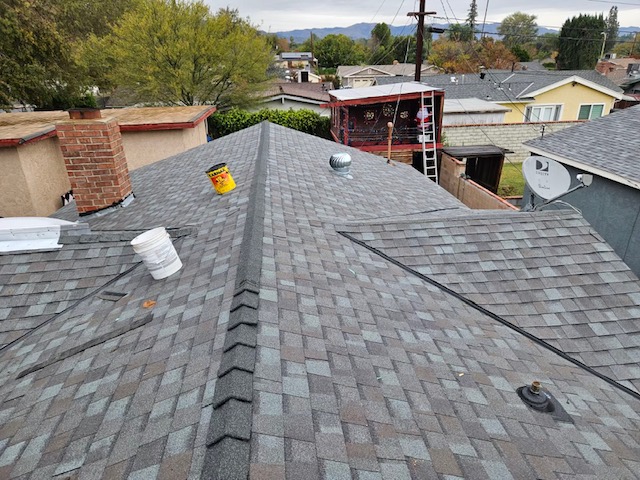
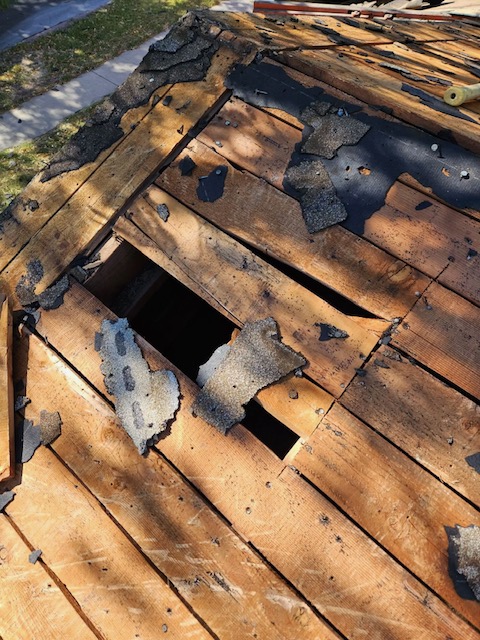
2. Contain the Leak: Place buckets or containers under the leak to catch the dripping water and prevent further damage to your home’s interior. Also, prevent the home exterior, by tarping the roof. Some homeowners will do a temporary or immediate repair to prevent any further damage.
3. Mitigate Interior Damage: If there’s water pooling on the floor, use towels or a wet/dry vacuum to remove it. Move any furniture or belongings away from the leak to prevent further damage.
Hire a mitigation company to address the interior damages, typically drywall and flooring are affected. These need to be remediated immediately. If not, this will leave stains and excessive damage to your property.
4. Inspect Attic (If Accessible): If you have access to your attic, carefully inspect the area to see if you can identify the source of the leak. Look for wet spots, water stains, or signs of mold or mildew growth. Wet insulation in the attic needs to be addressed, usually by removing and replacing the damaged insulation.
5. Temporary Patch: If the leak is minor and you’re able to access the roof safely, you may be able to apply a temporary patch to stop the leak until a professional can assess and repair it properly. This could involve using roofing tar, roofing cement, or a patching kit designed for temporary repairs.
If you are not comfortable with patching the roof. Hire a professional roofer to handle repairs. Which brings us to the next point.
6. Contact a Professional Roofer: Roof leaks often require professional repair to ensure they are fixed correctly and to prevent further damage. Contact a licensed roofing contractor to inspect the roof, identify the cause of the leak, and provide a permanent solution.
7. Document Damage: Take photos of the leak and any resulting damage.
8. Filing a Claim: If you choose to file an insurance claim because of the damages, make sure to contact your local public adjuster before proceeding forward. Roof claims are complex and there are many steps to address a fair claim.
 Claim Commander Inc. Public Insurance Adjusters