What Should I Do After A Fire Loss?

Experiencing a fire loss can be incredibly traumatic and overwhelming. Here are some steps you can take to begin the process of recovery:
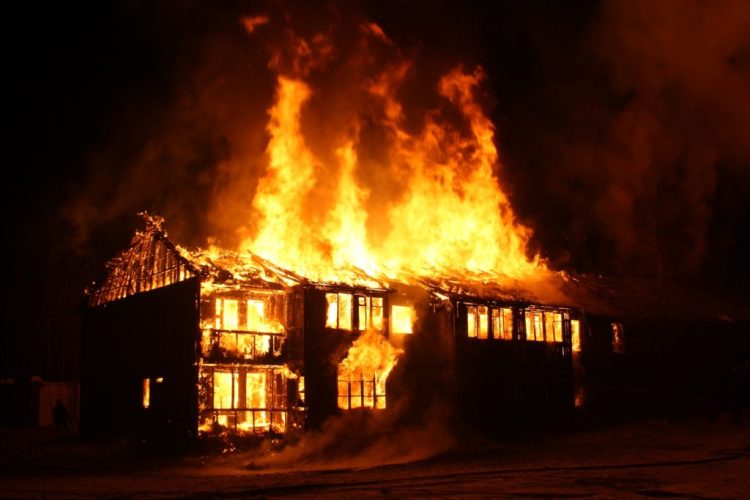
Useful Steps To Follow After A Fire:

  1. Ensure Safety: Before re-entering your home or property, make sure it’s safe to do so. Contact the relevant authorities or a professional to assess the structural integrity and safety hazards.
  2. Contact Your Local Public Insurance Adjuster: Notify us to conduct a full assessment and evaluation as soon as possible. We will guide you through the claims process and provide assistance for temporary housing, if needed. Be sure to document the damage thoroughly with photographs or videos.
  3. Secure Your Property: If it’s safe to do so, try to secure your property to prevent further damage or theft. This might involve boarding up windows, covering damaged areas, or securing valuable items. This is key make sure to prevent further perils that could happen. The insurance company doesn’t owe for neglect.
  4. Retrieve Important Documents: Try to locate and secure important documents like identification, insurance policies, medical records, and financial documents. These will be necessary for filing insurance claims and other recovery processes. This is important. Pro tip: back up all of your important documents in more than one place.
  5. Evaluate Immediate Needs: Assess your immediate needs such as temporary housing, clothing, food, and medication. Reach out to local disaster relief organizations, community resources, or charities for assistance if needed.
  6. Seek Support: Dealing with a fire loss can be emotionally draining. Reach out to friends, family, or support groups for emotional support. Consider seeking counseling or therapy to help cope with the trauma.
  7. Begin Cleanup and Restoration: Work with professionals to clean up and restore your property. This may involve removing debris, salvaging belongings, and repairing or rebuilding damaged structures. Hiring a Public Adjuster can work with your insurance carrier to bring the right mitigation companies, contractors, engineers, and other experts to evaluate the property.
  8. Keep Records: Keep detailed records of all communications, expenses, and transactions related to the fire loss. This will be important for insurance claims, tax purposes, and any legal proceedings.
  9. Plan for the Future: As you work through the recovery process, start thinking about your long-term plans. Consider factors such as rebuilding, relocation, financial stability, and preventive measures to reduce the risk of future incidents.

A fire is never easy. It is tough and can cause stress, trauma, and financial discomfort. To alleviate the stress and emotional pain, contact a team that can help you from beginning to end with your home and personal property. You can focus on the emotional well being and the peace of mind of your life. That is something, nobody can fix or repair.

Remember to take things one step at a time and be patient with yourself throughout the recovery process. It’s okay to ask for help when you need it, and remember that healing takes time.

To start a new claim, call 856-625-2982 or 818-826-3874 today for a free inspection and policy examination from our Public Adjusters.

Does Homeowner Insurance Cover Roof Damage?

What happens if water enters your shingle roof?

If water enters your shingle roof, it can lead to several potential issues:

  1. Water Damage: Water entering through the roof can cause damage to the underlying areas of your home, including the attic, ceilings, insulation, and even the walls. Over time, this can weaken the structural integrity of your home and lead to costly repairs.
  2. Rot and Decay: If water continually seeps into the roof and underlying materials, it can cause wood rot and decay. This weakens the structure of the roof and can eventually lead to collapse if left unchecked. This will not get covered.
  3. Electrical Hazards: Water leaks can pose a significant risk of electrical hazards if they come into contact with electrical wiring or fixtures in the attic or ceiling spaces. This can lead to short circuits, electrical fires, or other safety hazards.
  4. Insulation Damage: Insulation in the attic can become saturated with water, losing its effectiveness and potentially causing energy efficiency issues in your home. Wet insulation also provides a breeding ground for mold and mildew.
  5. Aesthetic Damage: Water stains on ceilings and walls are unsightly and can be challenging to remove. They may require repainting or even replacement of affected materials to restore the aesthetic appeal of your home.

To mitigate these issues, it’s essential to address any water leaks in your roof promptly. This may involve repairing damaged shingles, replacing worn-out flashing or seals around vents and chimneys, or even re-roofing if the damage is extensive. Regular inspections and maintenance can help prevent water damage and prolong the lifespan of your roof.

What do I do after I have decided, water has entered my home?

You can make the decision to contact a Public Adjuster or a roofer. Why you ask? Roofer will be able to evaluate the extent of the damage. It may not require you to rip off the old roof rather address a small section of the roof.

Why a Public Adjuster evaluation is essential? The adjuster will hopefully guide you if filing an insurance claim is essential or if one should disregard it. How do you make that decision? Assess the size of damage, your deductible, and the cost to replace it.

Make sure to prevent your home from further damage. Tarp will always be your friend. Either the roofer or Public Adjuster will be able to provide a list of vendors if necessary or your insurance carrier can assist.

Contact Claim Commander Inc. for a free consultation. We service New Jersey, Pennsylvania, and California.

Why Hire A Public Adjuster?

A public insurance adjuster is a licensed professional who works on behalf of policyholders (individuals or businesses) to help them navigate the insurance claims process and obtain a fair and accurate settlement from their insurance company. Public insurance adjusters are independent and do not work for the insurance company; instead, they advocate for the policyholder’s interests.

Here are key aspects of a public insurance adjuster’s role:

  1. Claims Assistance:
    • Public insurance adjusters assist policyholders in preparing, filing, and negotiating insurance claims.
    • They evaluate the extent of the damage, review insurance policies, and determine the coverage applicable to the loss.
  2. Documentation and Evaluation:
    • Public adjusters help policyholders gather and document the necessary evidence to support their claims, including photographs, repair estimates, and other relevant documentation.
    • They assess the value of the loss and work to ensure that all aspects of the damage are considered in the claim.
  3. Negotiation with Insurance Companies:
    • Public insurance adjusters negotiate with insurance companies on behalf of the policyholder to achieve a fair and equitable settlement.
    • They aim to maximize the compensation received for the covered loss.
  4. Policy Interpretation:
    • Public adjusters have a deep understanding of insurance policies and can interpret the language and terms to determine the extent of coverage applicable to a specific loss.
  5. Expertise in the Claims Process:
    • They are knowledgeable about the insurance claims process, including deadlines, documentation requirements, and the steps involved in filing a claim.
  6. Advocacy for Policyholders:
    • Public insurance adjusters act as advocates for the policyholder’s interests, ensuring that they receive the compensation they are entitled to under their insurance policy.
  7. Fee Structure:
    • Public adjusters typically charge a fee for their services, which is a percentage of the final settlement amount. This fee is agreed upon between the adjuster and the policyholder before any work begins.

It’s important to note that while public insurance adjusters can be valuable in helping policyholders navigate the claims process, policyholders also have the option to work directly with their insurance company’s adjuster. However, hiring a public adjuster can be beneficial, especially in complex or large-loss situations where the policyholder may benefit from professional expertise and advocacy to ensure a fair settlement.

Contact us for all insurance claim issues, https://claimcommanderinc.com/

Fire Season – Coverage C

I have dealt with clients that constantly ask what should I do when a fire happens? I need to account for my contents, but all of my contents are gone or burned. Here is a quick tip, take a moment today or tomorrow, record all of the contents in your home. Take those photos and videos, upload it into your cloud. If you don’t have a cloud, then upload to another hard drive or external location. Essentially, have the footage in multiple locations. Why does this matter?

When your insurer requires that you have to show the contents per room then you go back to your documented footage. This will be a detailed representation showing all of your contents, room by room. The time you don’t have during a fire or an urgent evacuation is to document all of your contents. These details go a long way during your claim and trust me, every detail matters during the claim process.

Any questions, please reach out to us at claimcommander@gmail.com or info@claimcommanderinc.com. We’re here to help and a top Public Adjusting Firm.